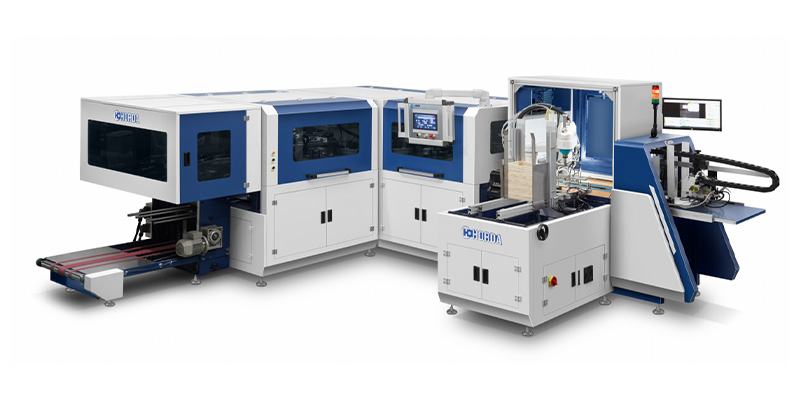
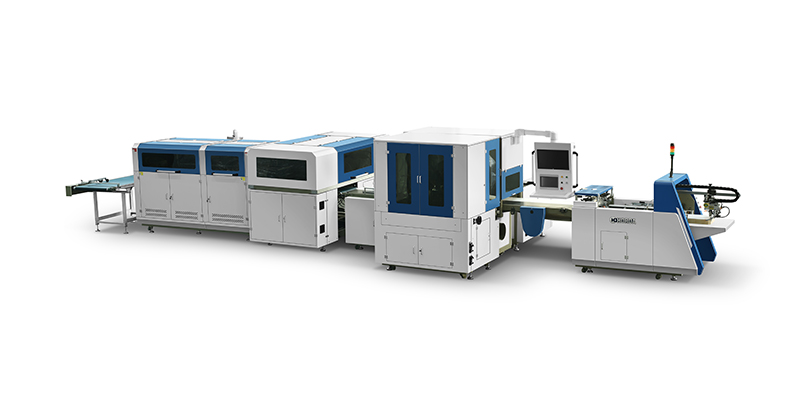
It happens every quarter. A premium cigarette brand or a mid-tier wine label orders 20,000 rigid gift boxes. The printing is gorgeous. The foil stamping is flawless. But when the boxes arrive at the filling line, the covers don't close flush. Or the inner lining peels at the corner. Suddenly, two pallets—worth $50,000—are tagged for rework.
Here is the uncomfortable truth most packaging suppliers won't tell you: Over 70% of rigid box defects trace back to the gluing and folding stage, not the printing or board cutting. The machine applying the adhesive and wrapping the corners is where luxury packaging either shines or shatters.
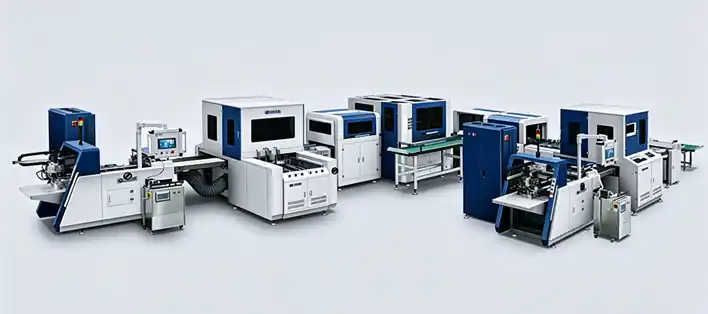
So what separates a reliable high-end packaging line from a constant headache machine? Let's break down the real-world bottlenecks.
Before talking about solutions, let's name the enemies.
Killer #1: Inconsistent Glue Application
Hot melt glue (animal glue) is standard for cigarette and wine boxes because it sets fast. But its viscosity changes with room temperature. On a humid summer day, the same nozzle setting that worked perfectly in winter will either starve the joint (weak bond) or flood it (glue bleed through the paper).
Killer #2: Board Warpage
Grey board is never perfectly flat. A 3mm board can warp up to 5mm across its length. Traditional mechanical feeders push warped board forward anyway—and the wrap shifts. The result? Misaligned corners that make a $100 wine box look like a craft project.
Killer #3: Manual Transfer Damage
Many factories still use separate machines for case making and inner lining. Operators manually pick finished shells and place them into the laminator. Each touch risks scratches, fingerprints, or dented corners. For black or dark-colored cigarette packs, even a single scuff mark is a reject.
Here is where engineering gets clever.
Instead of blindly pushing board forward, modern rigid box lines use photoelectric sensors to measure the board's actual position before gluing. If the board is warped or the stack shifted, the sensor sends a correction signal to servo-driven positioning tables.
In practice, this means the machine adjusts 50-60 times per second. The human eye never sees the correction. But the finished box has square corners and centered wrap—even on imperfect board.
A China Print 2025 equipment survey noted that lines with triple-sensor registration reduce corner misalignment defects by 60-80% compared to mechanical stop systems. For a factory running 500,000 cigarette gift boxes annually, that is 15,000 fewer rejects.
Let's settle the adhesive debate for cigarette and wine packaging.
| Adhesive Type | Best For | Hidden Cost |
|---|---|---|
| Hot Melt | High-speed lines (25+ boxes/min), short drying time | Requires heated hoses, viscosity drifts with temperature, potential glue bleed on thin paper |
| Cold Glue | Porous boards, eco-friendly requirements | Long drying time (slows line), requires ventilation, cleaning solvents needed |
| Hybrid (heated cold glue) | Premium boxes, mixed materials | Higher equipment cost, but most stable for varied stock |
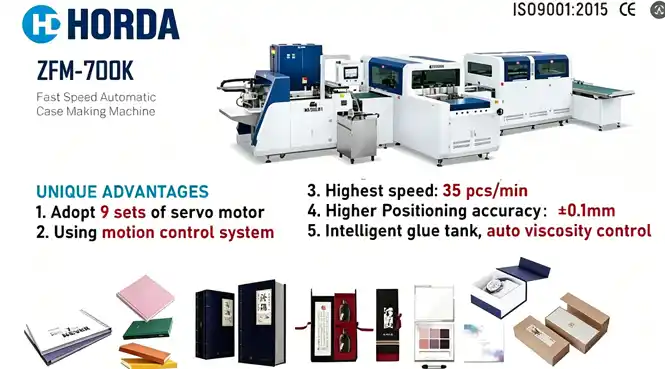
For cigarette packaging (small boxes, high volume, fast turnover), hot melt is the industry standard—but only if the line includes automatic viscosity control. Without it, the night shift will quietly raise the temperature to keep glue flowing, and by morning, you have hardened residue clogging the nozzles.
For wine bottle rigid cases (larger format, lower volume, premium finish), cold glue with a short-dry formula often produces a cleaner result. No heat means no scorched paper edges on delicate textures.
The smart money is on a dual-capable gluing unit that can switch between hot melt and cold glue without changing hardware. Flexibility here protects you when material costs shift.
A wine gift box isn't just a shell. It has an inner lining—often velvet, leatherette, or textured paper—that must be laminated perfectly flat. Bubbles or wrinkles here are instant rejects for any premium brand.
Root cause of bubbles: The glue applied to the inner paper dries partially before the paper meets the shell. This is called "skin-over." It happens when the transfer time between gluing and pressing exceeds 3-5 seconds.
The solution is inline lamination: a turning mechanism that delivers the finished shell directly into a laminating station without human handling. The glue is still wet when the liner is pressed.
One mid-sized tobacco packaging supplier reported that switching from manual transfer to inline automated lamination cut their inner lining reject rate from 5.2% to 0.9% within three months. That is 4,300 fewer scrapped boxes per 100,000 produced.
Ask any production manager: "How long to switch from cigarette boxes (140×85×22mm) to wine gift sets (300×200×100mm)?"
If the answer is "over 30 minutes," keep walking.
Modern modular packaging lines allow tool-less changeovers on side guides, glue nozzles, and folding pockets. Servo-driven adjustments mean entering new dimensions on a touchscreen rather than turning crank handles.
Realistic benchmark: Under 20 minutes for a full size changeover is acceptable. Under 10 minutes is excellent.
Why this matters for cigarette and wine producers: Your product mix changes seasonally. Summer weddings need small champagne gift boxes. Lunar New Year needs large, elaborate sets. If your line takes an hour to change over, you will lose orders to faster competitors.
Every machine has a CE sticker. But what does it actually mean for your factory floor?
CE certification ensures the machine meets EU safety standards for electrical systems and moving parts. Non-negotiable for export markets.
ISO 9001:2015 certification (Horda holds this) means the manufacturer has documented quality control processes—not that every individual machine is perfect, but that they have a system to catch defects consistently.
What to ask for: The actual test report from the factory acceptance. Not a generic certificate. You want to see the glue spread uniformity test and the corner squareness measurement for your specific board type.
Before you finalize any equipment purchase, run this field test:
Bring your worst board. Ask the supplier to run severely warped material through the demo line. Watch if the machine jams or corrects.
Time a full changeover. From last good box of one size to first good box of another. Include cleaning the glue station.
Check the glue pot. Can you clean it without disassembling six bolts? If not, your operators will hate the machine by week two.
Ask about viscosity control. Is it standard or optional? For cigarette boxes with thin paper, it should be standard.
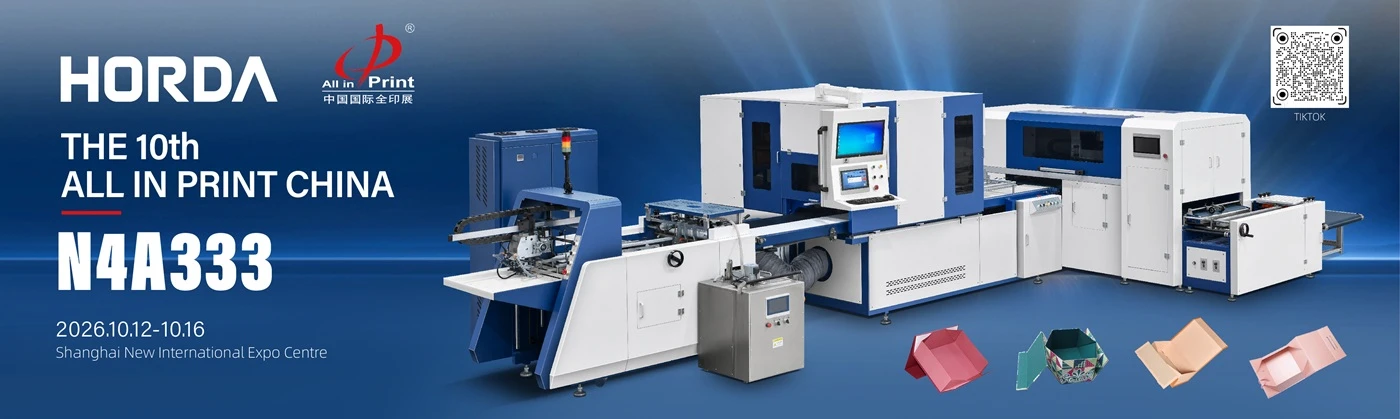
No single machine does everything well. A cigarette packaging setup prioritizes speed and consistency at small scales. A wine gift box line needs larger format handling and gentle material transport.
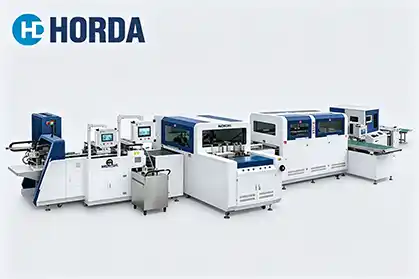
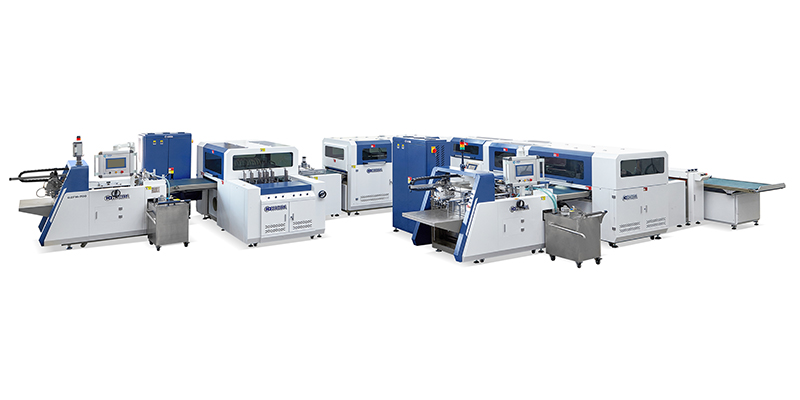
The Horda approach uses modular stations: board feeder + gluing unit + wrapping station + turning mechanism + inner laminator. Each module can be specified separately.
If you want to see how a fully integrated cigarette and wine packaging line configures these modules for different box sizes and materials, click here to explore the production line setup options. The platform includes both high-precision case makers and automatic gluing systems designed for luxury goods tolerances.
Cigarette boxes need speed and microscopic glue control. Wine gift sets need gentle handling and perfect inner linings. One production line can do both—but only if it has servo-driven registration, temperature-stabilized gluing, and inline lamination.
Focus your budget on the gluing and registration systems. Those are the components that prevent the $50,000 reject pile. The frame and the conveyor are commodities. The sensors and the servo motors are where your ROI lives.

 English
 Español
 Português