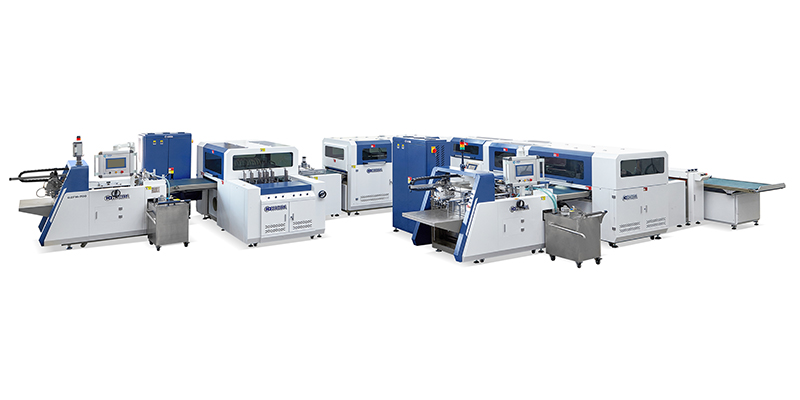
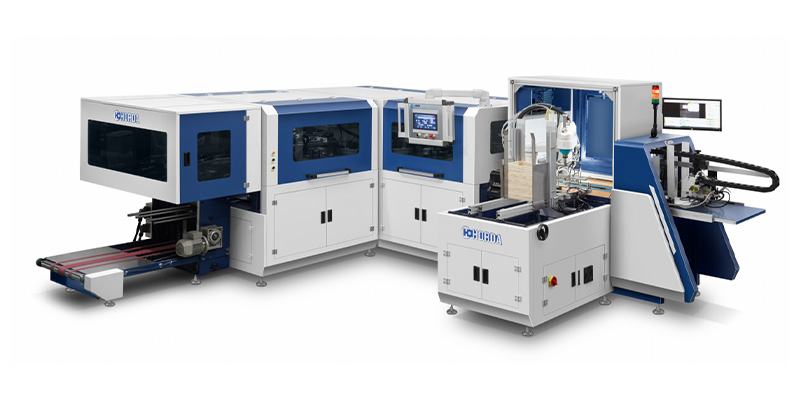
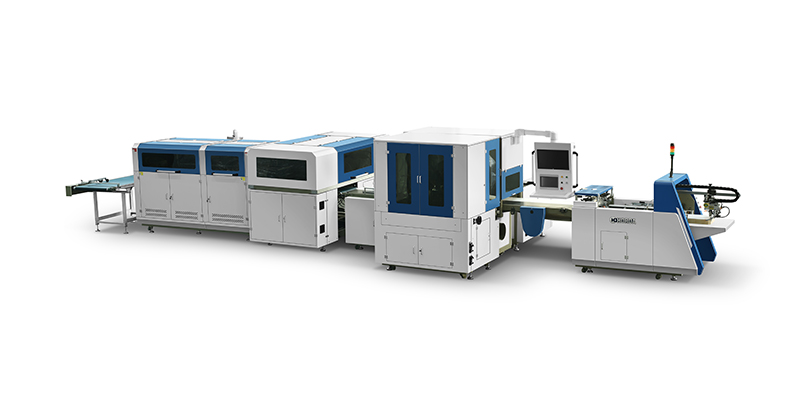
If you’re torn between fully automatic cover forming lines and semi-automatic cover making machines, you’re really choosing between scalable high-volume output and flexible short-run adaptability. Auto Cover Machine brings end-to-end automation for consistent large-batch production, while semi-automatic models balance low upfront cost and quick job changes for small to mid-size operations. This guide uses real industry data and on-site production experience to help you pick the right system without overinvesting or bottlenecking your workflow.
The real divide isn’t just “automatic or not”—it’s workflow control, labor dependency, and production stability. Fully automatic lines integrate feeding, gluing, positioning, edge wrapping, pressing, and stacking in one continuous flow. Semi-automatic machines rely on operators for loading, positioning, and partial handling, with automation only for core forming steps.
This difference directly shapes your daily output, labor cost, defect rate, and order adaptability.
Industry data from printing and packaging associations shows clear performance gaps:
For publishers running 8-hour shifts, a fully auto line can replace 3–4 semi-auto stations while cutting labor by 50%–70%.
Labor is often the hidden dealbreaker.
A 3-year cost model from industry benchmarks shows that high-volume users reach break-even faster with fully automatic lines, while small-batch, custom job shops save more with semi-automatic setups.
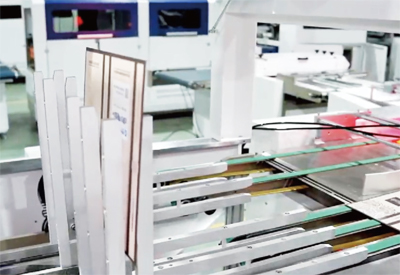
Hardcover cases, luxury gift boxes, and rigid packaging demand zero defects.
For high-end cosmetic boxes, notebook covers, and photo albums, consistency directly protects your brand reputation.
Flexibility makes or breaks small-batch profitability.
If you handle 50-piece custom albums one hour and 5,000-piece notebook covers the next, semi-automatic keeps you agile. If you run steady large orders, fully auto dominates efficiency.
Horda designs cover-making equipment that bridges efficiency and flexibility. Our fully automatic lines use multi-axis servo drive, CCD visual positioning, and one-click recipe recall to support high-speed, stable forming for hardcover books, rigid boxes, and gift cases. For flexible small-batch work, our semi-automatic models balance ease of use and solid performance at a lower entry cost.
Auto Cover Machine delivers unified, reliable performance where traditional semi-automatic setups can’t keep up with consistency or volume. When matched against basic fully automatic lines, Horda’s system offers better glue control, positioning accuracy, and post-sale support for long-term value.
We provide customized layout design, OEM/ODM development, and full-process training to fit your space, materials, and order structure. Many customers upgrade from basic semi-auto lines to Horda’s integrated solutions and see output rise 3x while labor cost drops by 60%.
Before you decide:
The best choice isn’t the “most automatic”—it’s the one that matches your real production needs.

 English
 Español
 Português