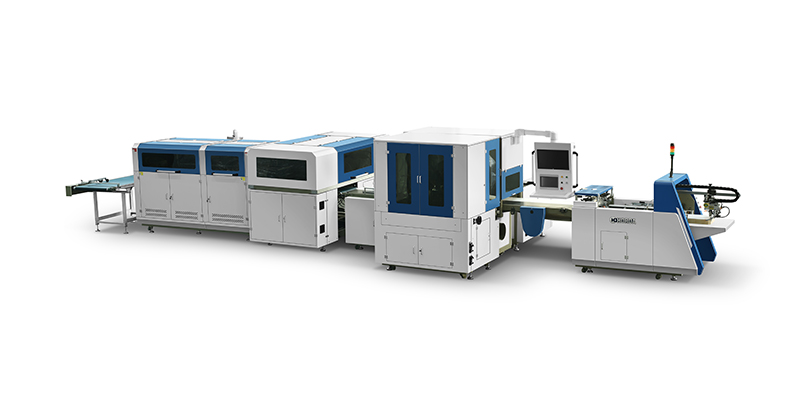
Your case lining machine is running smoothly, but you notice inconsistencies in bond quality. Some lining papers lift at the edges after a few days. Others show bubbling beneath the surface. Your production manager asks a seemingly simple question: “Are we using the right glue?”
The answer is rarely simple. Adhesive selection for case lining involves trade-offs between production speed, bond strength, material compatibility, and operating cost. Hot melt adhesives offer rapid setting and high throughput. Cold glues provide flexibility and heat resistance. Animal glues—a traditional hot melt option—remain valued in rigid box production for their unique properties.
This guide compares hot glue and cold glue for case lining applications. We examine the characteristics of each adhesive type, their advantages and limitations, and the factors that should influence your selection decision.
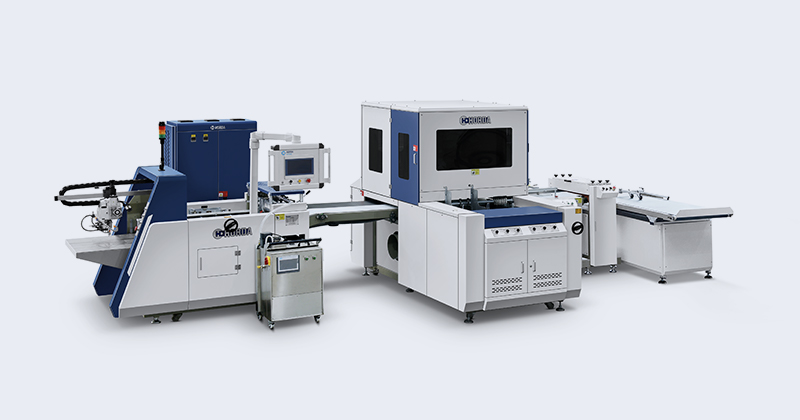
Before comparing specific adhesive types, it helps to understand the fundamental difference between hot melt and cold glue systems.
Hot melt adhesives are thermoplastic materials applied in a molten state and solidify upon cooling. They contain no water or solvents—the bond forms as the adhesive cools and hardens. Hot melt systems used in case lining include animal glue (gelatin-based) and synthetic hot melts such as EVA (ethylene-vinyl acetate).
Cold glues are water-based adhesives applied at room temperature. The bond forms as water is absorbed into the substrate or evaporates. Common cold glue types include PVA (polyvinyl acetate), starch-based adhesives, and dextrin formulations.
The choice between these two families affects every aspect of your production—from machine setup and operating speed to bond quality and environmental conditions.
Animal glue has been used for thousands of years and remains an important adhesive in industries such as woodworking, bookbinding, packaging, and restoration. In modern manufacturing—especially in rigid box production and paper lamination—animal glue remains highly valued for its strength, fast tack, and unique working properties.
Key characteristics:
Applied molten at approximately 60–66°C (140–150°F)
Sets within seconds upon cooling
Forms a strong, rigid bond
Can be reactivated with heat and moisture for adjustments
Production advantages: Animal glue’s rapid set time supports high-speed production lines. The immediate bond strength allows boxes to be handled and stacked almost immediately after processing. For case lining machines operating at speeds of 40 pieces per minute or higher, this fast setting is essential.
Production limitations: Animal glue has low moisture resistance; high humidity can weaken the bond. The adhesive must be kept at precise temperature during operation. Open glue pots lose moisture through evaporation, requiring careful viscosity monitoring.
Synthetic hot melt adhesives are applied at higher temperatures—typically 150–180°C (300–355°F). They offer excellent bonding strength and are suitable for high-speed production lines.
Key characteristics:
Applied at 150–180°C
Set time of 1–3 seconds
Bonds a wide range of materials, including plastics and metals
Resistant to impact and vibration
Production advantages: Synthetic hot melts offer strong, durable bonds and can bond materials that water-based adhesives cannot. They are ideal for high-speed, high-volume production environments.
Production limitations: Synthetic hot melts are prone to thermal degradation (charring) if left idle at high temperatures. The equipment requires heating elements and temperature control systems. Some formulations may have odor issues during application.
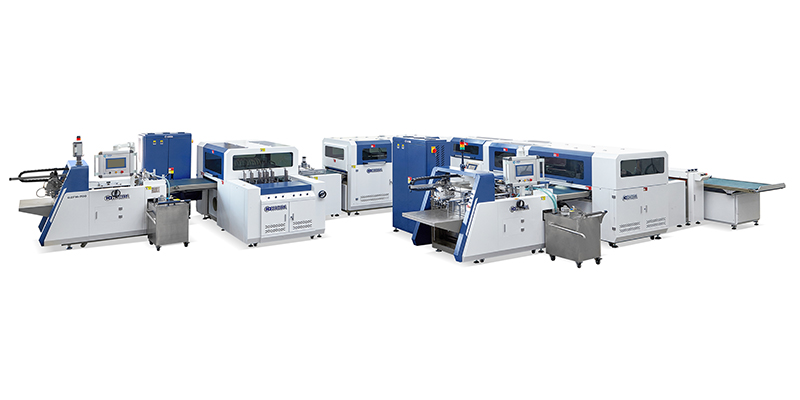
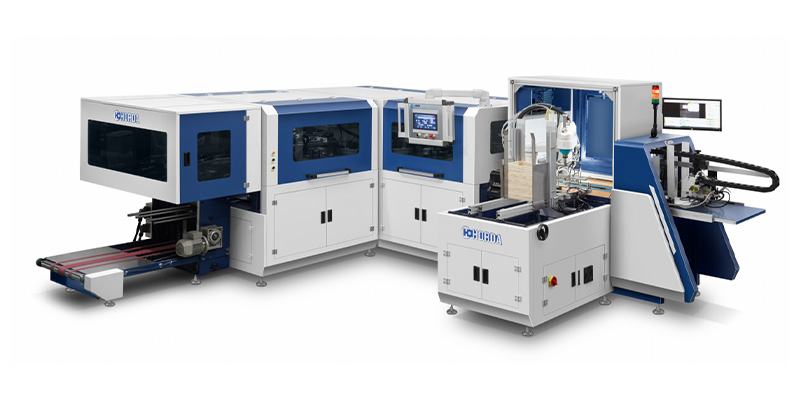
For a detailed overview of how case lining machines integrate gluing functions with motion control and positioning systems, explore the case lining machine specifications, including glue application and viscosity control features.
Cold glue systems use water-based adhesives applied at room temperature. PVA (polyvinyl acetate) is the most common cold glue for paperboard laminating applications.
Key characteristics:
Applied at ambient temperature
Sets as water evaporates or is absorbed into the substrate
Requires compression section for setting (typically 30 seconds or more)
Remains more flexible than hot melt after drying
Production advantages: Cold glues offer heat, chemical, and water resistance superior to many hot melts. They are generally more economical per kilogram. Cold glue is typically easier to apply and work with. For porous substrates like paperboard, where open time is needed for proper penetration, cold glue is preferred.
Production limitations: Cold glue has a longer setting time compared to hot melt, which can slow down production. PVA systems require a compression section to allow the adhesive to set. The moisture introduced can cause warping in sensitive boards. Cold glue lines require longer drying sections, consuming significantly more energy.
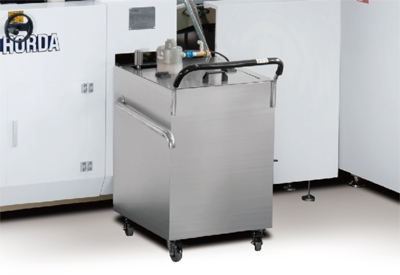
Viscosity control: Viscosity control is particularly important for water-based adhesives, as evaporation changes their consistency throughout the production day. For case lining machines, viscosity control systems are available as optional equipment to maintain consistent adhesive performance.
| Factor | Hot Melt (Animal Glue / EVA) | Cold Glue (PVA / Starch) |
|---|---|---|
| Application temperature | 60–66°C (animal) or 150–180°C (synthetic) | Ambient |
| Set time | 1–5 seconds | 30 seconds to hours |
| Bond characteristics | Rigid, strong | Flexible |
| Heat resistance | Moderate (animal glue low) | Good |
| Moisture resistance | Low (animal glue) | Good |
| Production speed | High | Moderate to high (requires drying) |
| Equipment complexity | Heating systems required | Simpler; may require drying ovens |
| Energy consumption | Lower | Higher (drying ovens) |
| Material compatibility | Wide range | Best for porous substrates |
| Cost per unit | Higher per kg; less material used | Lower per kg; more material may be required |
The most significant operational difference between hot glue and cold glue is setting time—and therefore production speed.
Hot melt systems set in 1–5 seconds. This rapid setting allows case lining machines to operate at maximum speed without waiting for the adhesive to cure. Boxes can be handled, stacked, and processed immediately. For high-volume operations producing thousands of boxes daily, this speed advantage is substantial.
Cold glue systems require significantly more time for the adhesive to set. PVA systems typically need a compression section of 30 seconds or more. In some applications, cold glue may take 5–10 minutes to reach handling strength and hours to fully cure. This requires either slower production speeds or longer machine configurations with drying sections.
The speed trade-off: Cold glue lines require long ovens (20–50 meters) and high air flow, consuming 5–10 times more energy than hot melt systems. However, for operations that do not require maximum speed, the lower material cost of cold glue may be more economical overall.
Required production speeds differ widely across end-use industries. If you want to compare real-world throughput setups for different manufacturing sectors, browse our complete lineup of case lining machines tailored to cosmetic, wine, and electronic rigid box packaging.
Hot melt adhesives can bond a wide range of materials, including plastics, metals, and paper. In case lining applications, hot melts—particularly animal glue—provide excellent adhesion to paperboard and a variety of lining materials, including writing paper, coated paper, specialty paper, synthetic paper, and cloth.
The bond formed by hot melt is typically rigid and strong. However, animal glue has low moisture resistance and can weaken in high humidity. Synthetic hot melts offer better environmental resistance.
Cold glues are preferred for porous substrates like paperboard and paper. The water-based adhesive penetrates the fiber structure, creating mechanical interlocking that produces strong bonds. Cold glue tends to remain more flexible than hot melt after drying, which can be beneficial in applications where the bonded materials need to maintain some flexibility or movement.
Bond strength considerations: The bonding strength of cold glue depends significantly on the quality of the glue and the surface it is applied to. Proper surface preparation—ensuring no varnish or print is present on the bonding surfaces—is essential for both adhesive types.
Material cost: Cold glue is cheaper per kilogram than hot melt. However, because water evaporates from cold glue during drying, more material may be required to achieve the same bond strength. Hot melt adhesives contain no solvents or water—100% of the applied adhesive contributes to the bond.
Energy cost: Hot melt systems require energy to heat the adhesive but do not require drying ovens. Cold glue lines require long drying sections and high air flow, consuming significantly more energy.
Equipment cost: Hot melt systems require heated glue tanks, temperature controls, and specialized application equipment. Cold glue systems are generally simpler and less expensive to purchase and maintain.
Labor cost: Hot melt systems allow higher production speeds with the same number of operators. Cold glue systems may require additional labor for handling boxes during the longer setting period.
The total cost picture: Although cold glue costs less per kilogram, the total cost of ownership—including energy consumption, equipment maintenance, and production speed—must be evaluated for each operation.
Hot melt adhesives contain no solvents or water, eliminating VOC emissions during application. However, synthetic hot melts are petroleum-based products. Animal glue is a natural, renewable material derived from animal by-products.
Cold glues are water-based and generally considered more environmentally friendly. They contain no solvents and produce low VOC emissions. However, the higher energy consumption for drying offsets some of the environmental advantages.
Safety considerations: Hot melt systems involve high temperatures—up to 180°C for synthetic hot melts—creating burn risks for operators. Cold glue systems operate at ambient temperature, reducing thermal hazards. However, cold glue can create slip hazards if spilled.
The right adhesive depends on your specific production requirements.
Choose hot melt (animal glue) if:
Your production speed is a priority (40+ pieces per minute)
You produce rigid boxes that will not be exposed to high humidity
You value the traditional “hot glue” working properties
You want immediate handling capability after lining
Choose hot melt (synthetic EVA) if:
You bond non-paper materials or challenging substrates
You need strong, impact-resistant bonds
Your production runs at a very high speed
You can manage the higher application temperature
Choose cold glue (PVA/starch) if:
You need heat and moisture resistance
Your production speed requirements are moderate
You work with porous substrates
You prefer lower material costs and simpler equipment
You require flexible bonds that accommodate movement
Profile: A packaging manufacturer produces 20,000+ rigid boxes daily for smartphone and electronics packaging. Production speed is critical. Boxes are shipped to clients who immediately fill and package products.
Recommended adhesive: Hot melt (animal glue). The 1–5 second set time supports maximum production speed. Boxes can be handled and stacked immediately. The traditional animal glue formulation provides excellent adhesion to paperboard and lining materials.
Key consideration: Monitor glue temperature and viscosity closely. Open glue pots lose moisture through evaporation. Consider installing viscosity control systems for consistent performance.
Profile: A custom packaging house produces boxes with a wide range of lining materials—coated paper, specialty paper, synthetic paper, and cloth. Production volumes are moderate. Clients include premium cosmetic and wine brands that require heat and moisture resistance.
Recommended adhesive: Cold glue (PVA). The water-based adhesive provides heat and water resistance. It offers flexibility after drying, accommodating movement in the finished box. The longer set time is acceptable at moderate production speeds.
Key consideration: Ensure adequate compression section or drying time for the adhesive to set properly. Monitor environmental conditions—cold glue performance depends on temperature and humidity.
Once you have determined which adhesive type aligns with your production requirements, configuring your case lining machine for that adhesive becomes the logical next step. Hot melt systems require heated glue tanks, temperature controls, and specific application mechanisms. Cold glue systems require viscosity control, compression sections, and potentially drying equipment. Not all case lining machines support both adhesive types equally. Reviewing specific equipment capabilities for your chosen adhesive—glue tank design, application method, and viscosity control options—informs both adhesive selection and equipment investment decisions.
To continue building your case lining production expertise, the following topics complement this guide:
How Adhesive Viscosity Affects Case Lining Quality and Consistency
Troubleshooting Common Adhesion Failures in Rigid Box Lamination
Optimizing Glue Application Systems for Case Lining Machines
Environmental Factors That Affect Adhesive Performance in Rigid Box Production
Selecting the Right Lining Material for Your Adhesive and Production Speed

 English
 Español
 Português